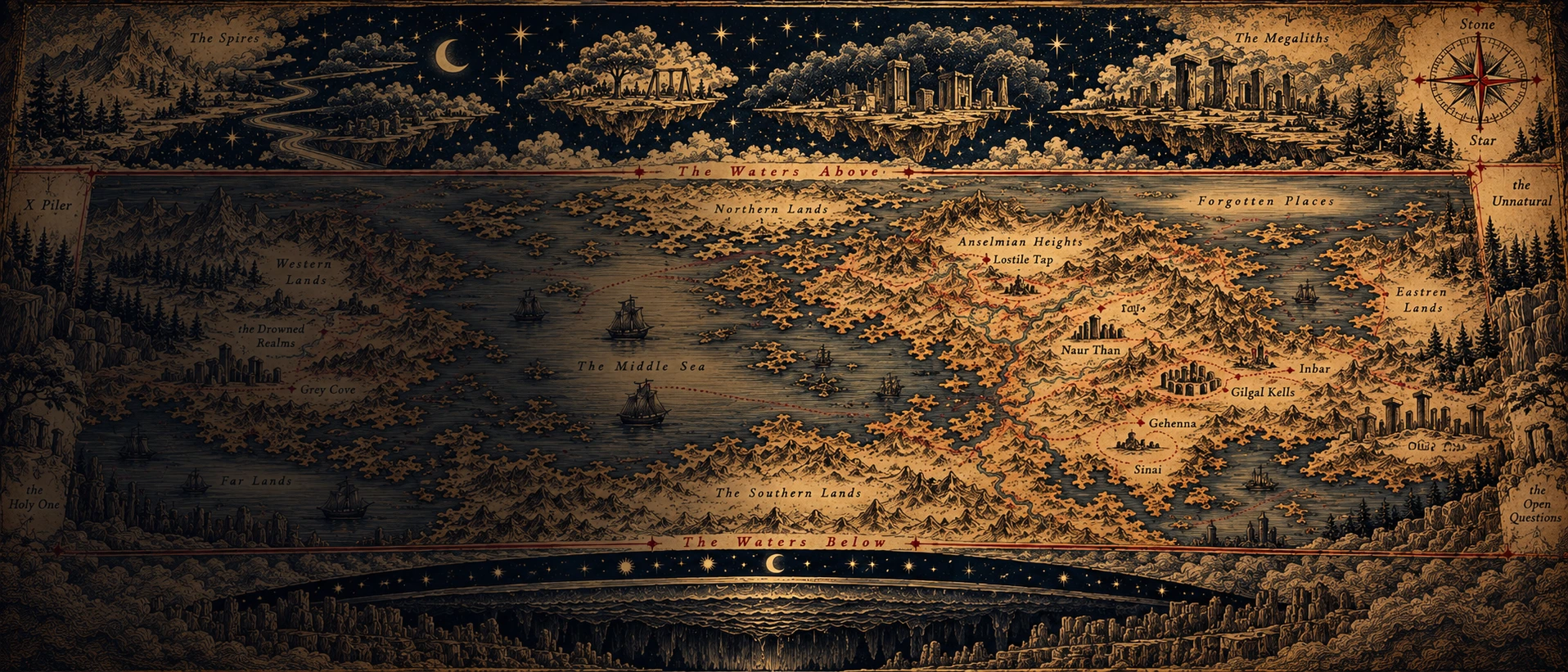
Between Stars and Stone
The Ancient Archive
Ten thousand years of monuments, visions, vanishings, and beings — gathered into one cross-referenced record. Nothing is dressed up. Nothing is thrown out.
- The ClaimWhat the record itself actually says, in its own words
- The EvidenceWhat can be shown, by whom, and how far it reaches
- The Soberest ReadingWhat survives the plainest explanation — and what refuses to
— timeline nodes — case records — source notes — cross-links
Open tonight The Hill Abduction → the first telling, filed apart from the hypnosis
Every record names the others it touches, and each thread carries a type — parallel, contrast, references, interprets — — declared across the index.
Four shelves
The index. One click leaves home.
All Records
Filter by collection or query the full text of every record. Each entry lists its cross-references — follow them to trace a story across cultures and centuries.
Elsewhere in the Archive
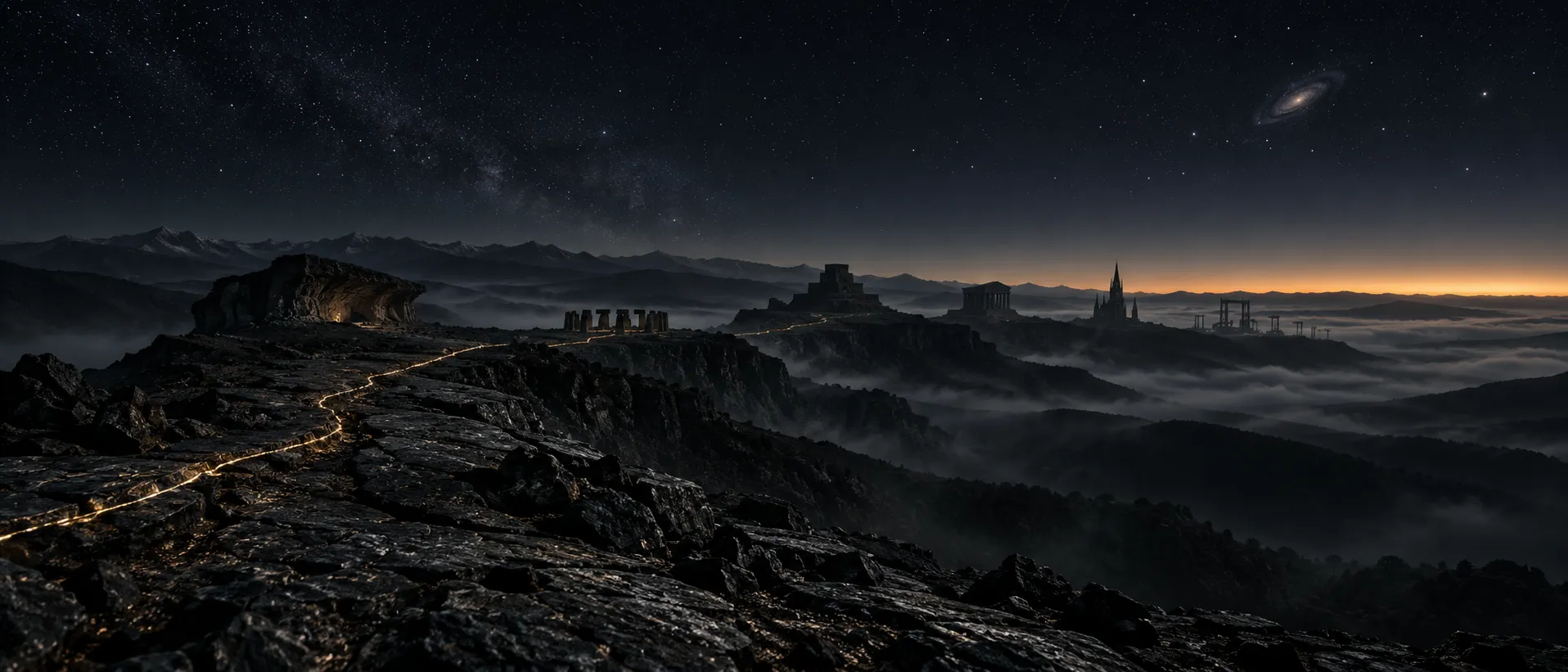
The Historical Record
Deep history on one spine, read one span of time at a time.
The Biblical Record
The Archive's own reading key runs through here, in four movements: what the text contains, what it describes beyond the physical world, what went wrong and crossed into ours, and how the whole of it connects to reality and to the rest of the Archive.
The ScriptureWhat does the Bible contain?
A Walk Through the Bible
The whole narrative, start to finish — sixteen eras from Creation to Revelation on one interactive, cross-linked timeline. The capstone of this section.
Adam & Eve Lineage
The family line from Adam through Noah, Abraham, and David to the New Testament genealogies — Seth’s line and Cain’s traced name by name to the Flood, and the Table of Nations beyond it.
The Woven Word
Cross-references and internal structure — 63,779 links between chapters, drawn as one picture. The text citing, echoing, and answering itself across a thousand years of composition.
The Unseen RealmWhat does it describe beyond the physical world?
The Divine Council
Psalm 82, 1 Kings 22, Job 1–2, Deuteronomy 32:8–9 — the framework section: one Creator presiding over a real assembly of spiritual beings, some delegated, some corrupted, some in open rebellion.
The Fall & the Faithful
How the brightest of the host became the adversary — the descent traced act by act from the mountain of God to the chains of darkness, set against the unfallen choirs and encounters that stayed faithful throughout.
Divine Appearances
The burning bush, Mamre, Peniel, the pillar of cloud and fire — direct manifestations of God, mapped onto this Archive's own religious-apparition costume and Shining Figures motif.
Heavenly Visions
Ezekiel's wheels, Isaiah 6, Daniel 7, Enoch's tours, Paul's third heaven — the seer shown the throne or the cosmos, and returned to report it.
The Realms
An interactive 3D map of the cosmology the rest of this section describes — Eden, Earth, Sheol, the heavens, the lake of fire, and the New Creation, with the gates and crossings between them.
Rebellion & the SupernaturalWhat went wrong, and what crossed into our world?
Giants & Bloodlines
Anakim, Rephaim, Og, Goliath — a bloodline the Flood was supposed to end, traced across the one seam it shouldn't have crossed. Feeds The Unnatural directly.
A Walk With God
The Book of Enoch, five books deep — the Watchers' oath, the archangels' sentence, the cosmic tour, the hidden Son of Man, and the text Jude quotes as prophecy by name.
Legion
Possession & deliverance as one recurring event — Jesus casting out the unclean spirits, the rite carried down through history, and the modern case files of Ed & Lorraine Warren, read in the Archive's own voice.
Evidence & InterpretationHow does this connect to reality and the wider Archive?
Sacred Geography
Eden's rivers, Mount Hermon, Bashan, Sinai, Gehenna — real, nameable places, cross-linked wherever they sit beside a monument Megalithic Structures already catalogues.
The Case for God
An Evidence Index of the strongest arguments that God exists — cosmological, fine-tuning, moral, consciousness, and more — each with its support, its best objections, and the Archive's response, plus the voices and books to go deeper.
The Witness
The reading key for the whole Archive — how the unresolved anomalies across every collection point toward a personal Creator rather than chaos.
Looking for individual figures rather than the narrative spine? Nephilim, Cherubim, Satan, the Four Horsemen, and a dozen more are catalogued under The Unnatural, filterable by tradition to "Biblical & Second Temple."
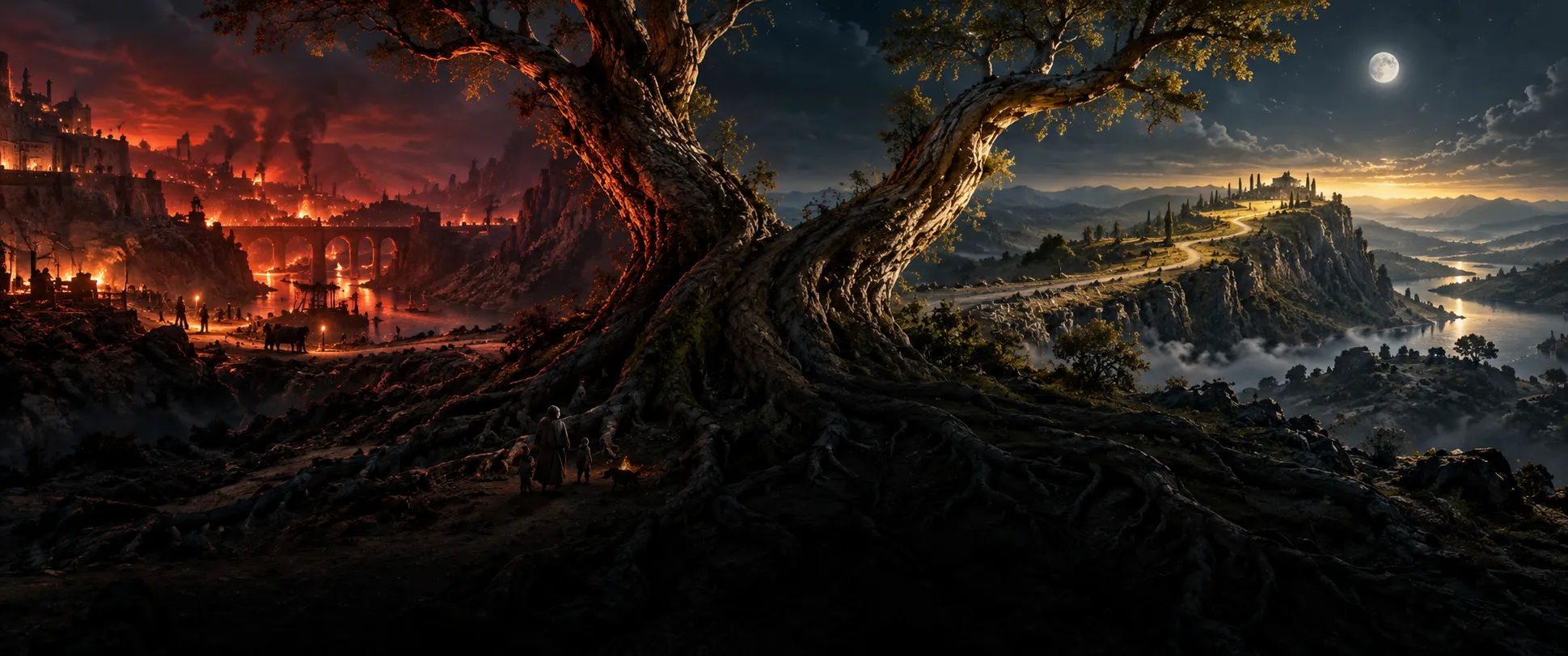
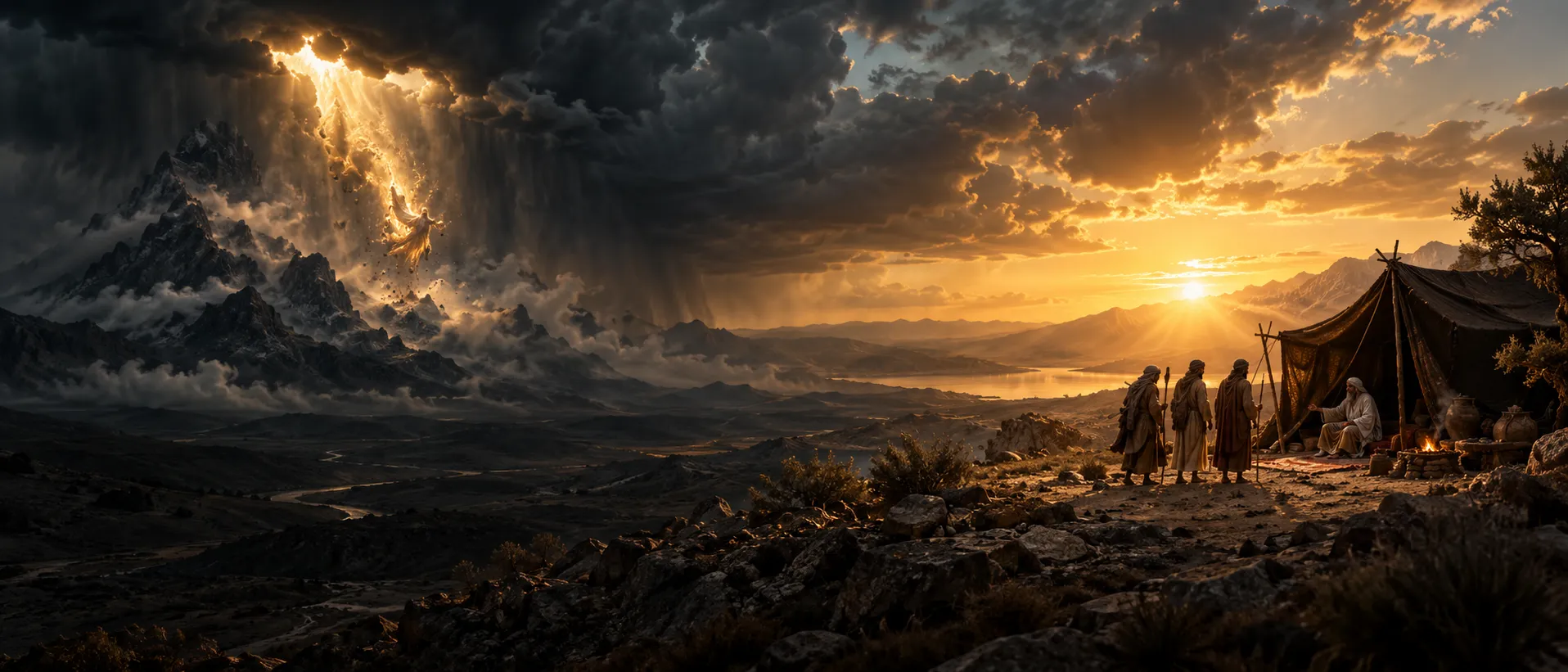
The Witness
A reading key for the Ancient Archive. Traces how the unresolved anomalies across every collection — the stones, the myths, the beings, the flood, the lineage — point toward a personal Creator rather than chaos.

Sacred Geography
Eden's rivers, Mount Hermon, Bashan, Sinai, Gehenna — five places scripture names plainly enough to be found on a map. Location-anchored entries, cross-linked wherever they sit inside or beside a monument the Megalithic Structures collection already catalogues.
The Woven Word
Sixty-six books, written across roughly fifteen centuries by dozens of hands in three languages — and yet they answer one another on nearly every page. This is a map of that internal conversation: the tens of thousands of places where one passage of Scripture reaches back, or forward, to another.
The Cross-Reference Web
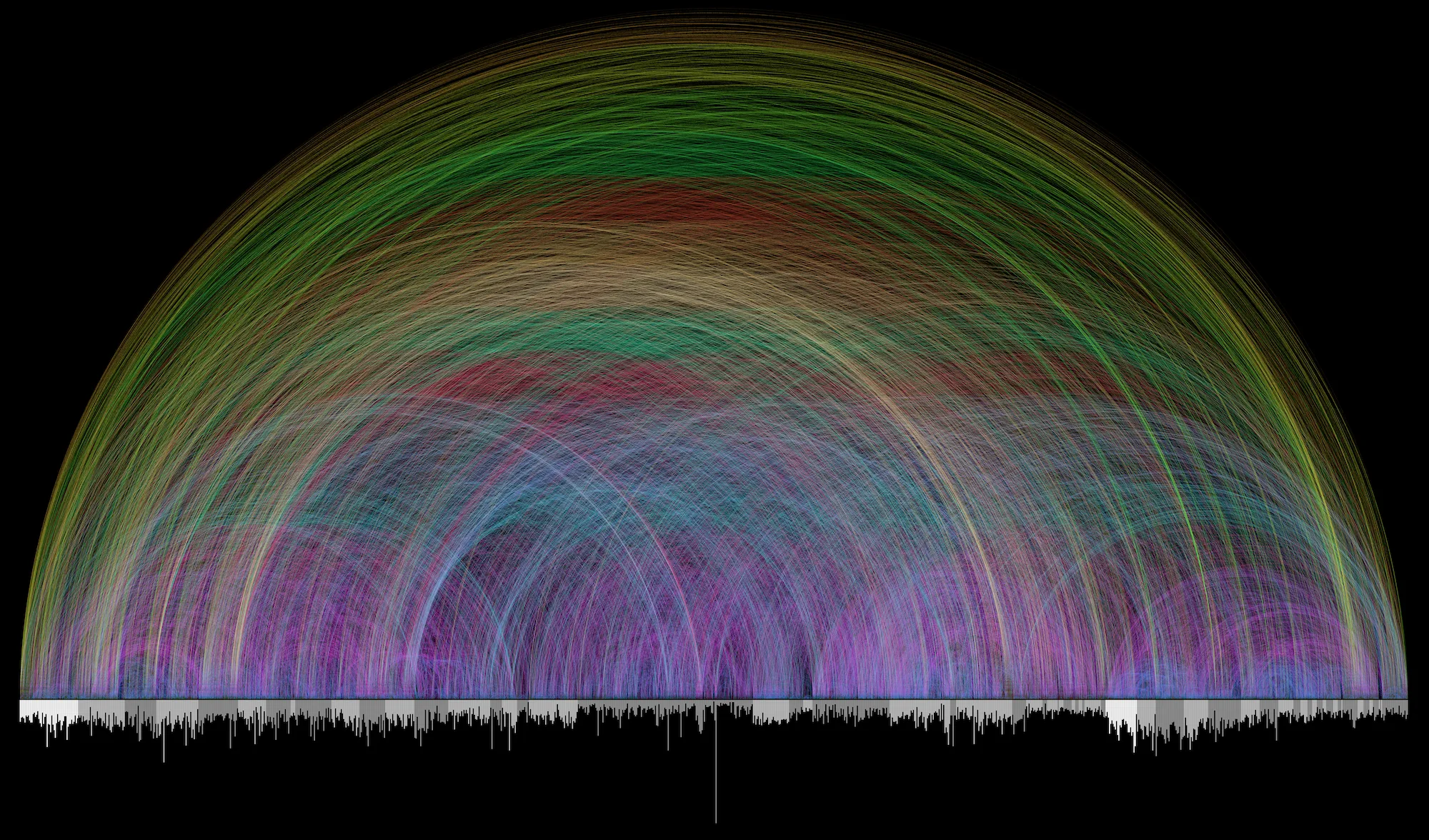
Every one of the Bible's 63,779 cross-references, drawn in a single image — the 1,189 chapters laid end to end, and an arc for every link between them.
How to read the picture
The gray bars along the bottom are the 1,189 chapters of the Bible in order, Genesis on the far left to Revelation on the far right; the length of each bar is the number of verses it contains, and the paler breaks mark the openings of the two testaments. Every one of the 63,779 arcs above springs from one verse and lands on another that cites, quotes, echoes, or fulfils it. The arc's colour encodes distance — short, local links in one hue, and the long spans that leap from one end of the canon to the other in another — so the whole becomes a single luminous dome of connection.
One long conversation
What the density makes visible is unity. Sixty-six documents, composed by some forty authors over roughly a millennium and a half, on three continents and in three languages, turn out to be in constant dialogue: law anticipating prophet, prophet anticipating gospel, gospel reaching back to reclaim the whole. Many of the longest arcs bridge the Old Testament prophets and the New Testament's Gospels and Revelation — the visual signature of promise and fulfilment, of a New Testament that quotes and alludes to the Old hundreds of times over.
That is the claim this page exists to weigh: that such a web is difficult to explain as the accident of an anthology assembled piecemeal, and reads instead like a single work with a single mind behind it.
Two more views of the same book
The arc diagram is only one way to picture the Bible's internal density. The same raw material — every proper name in Scripture, and every verse those names share — can be redrawn as a social network of who appears with whom, and as a map of where each name falls across the whole text.
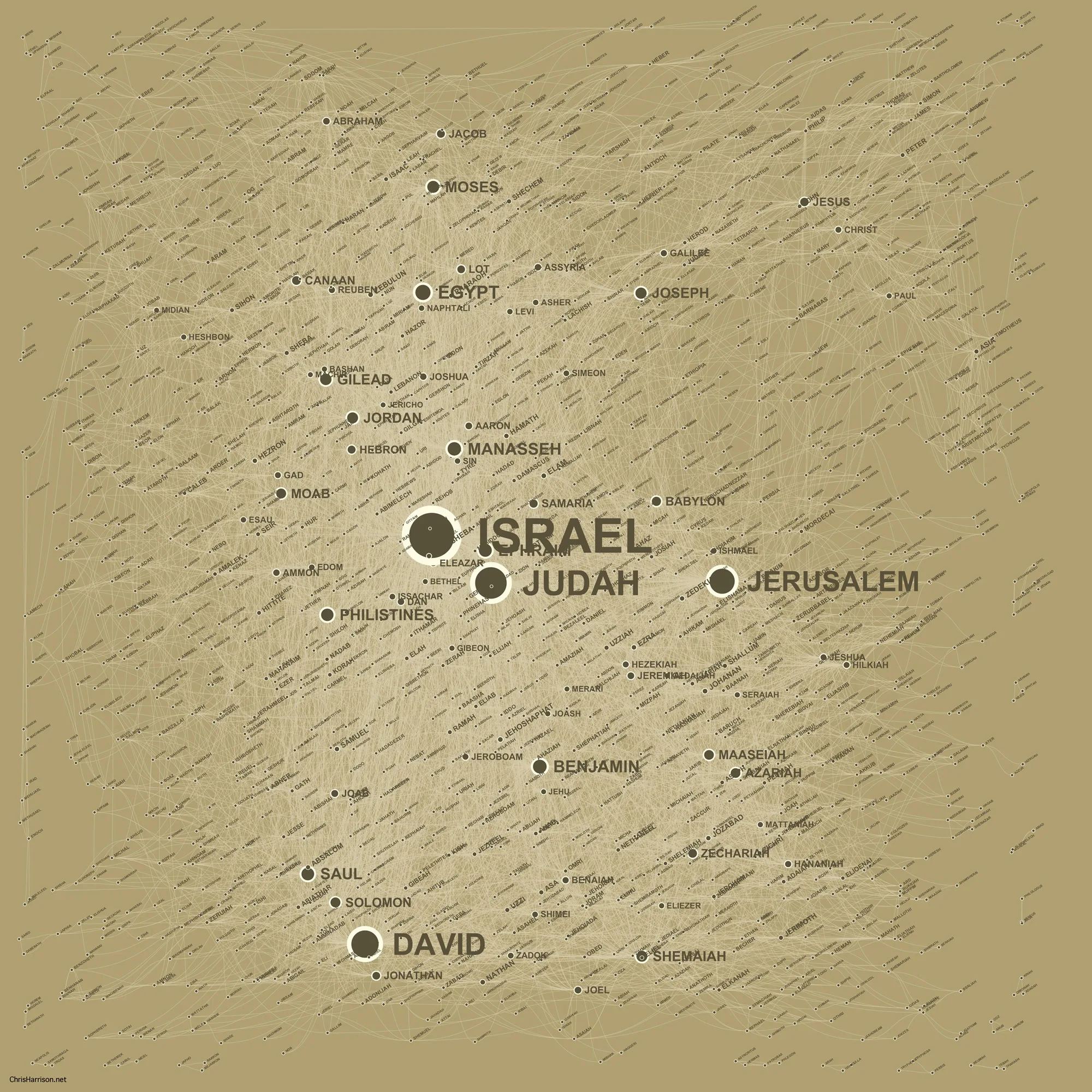
Who Appears With Whom
Every biblical name joined to every other it shares a verse with — 2,619 people and places, pulled into clusters by association.
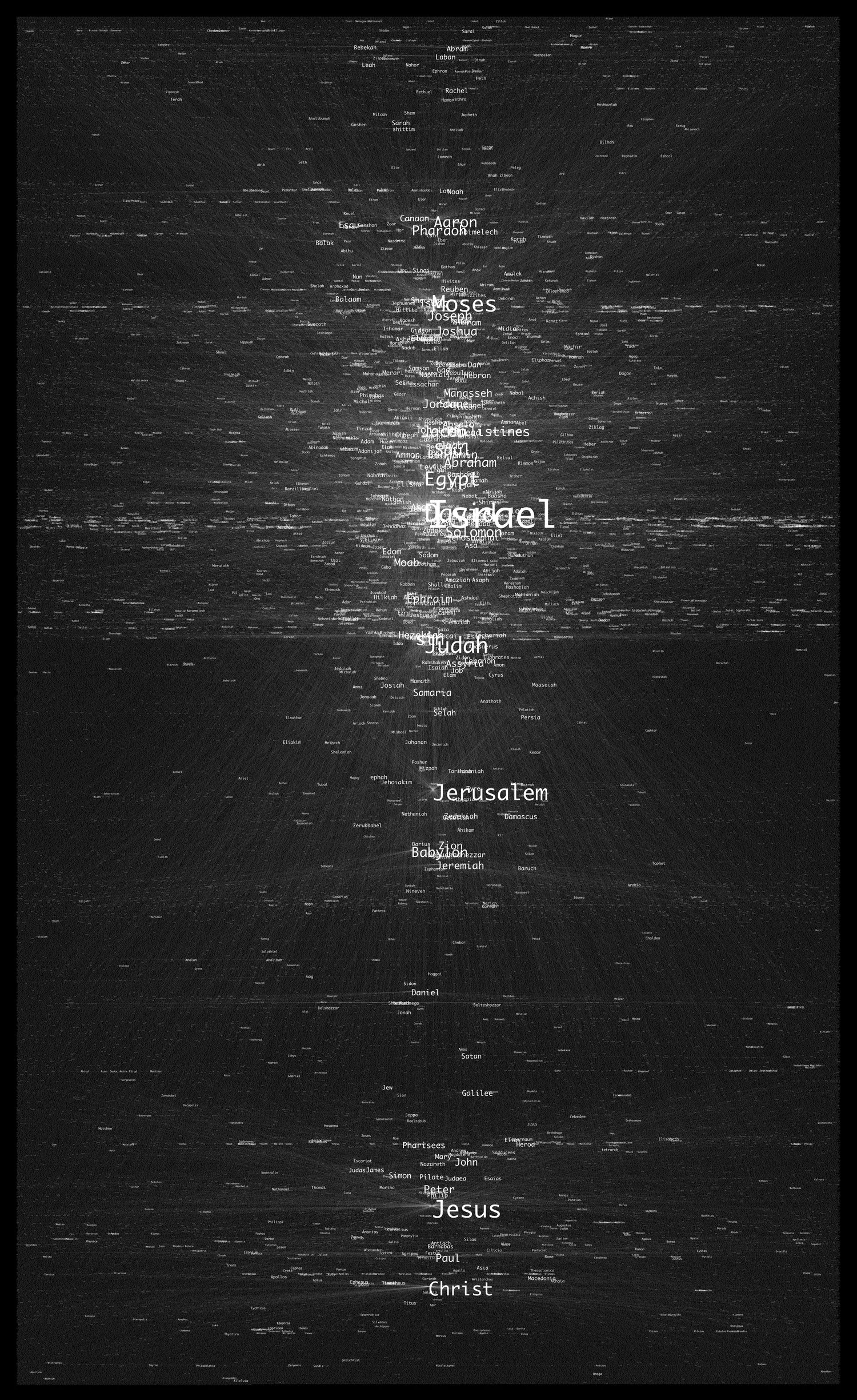
Where the Names Fall
The whole Bible as a single sheet — Genesis at the top, Revelation at the foot — with more than 2,600 names set where they most often appear.
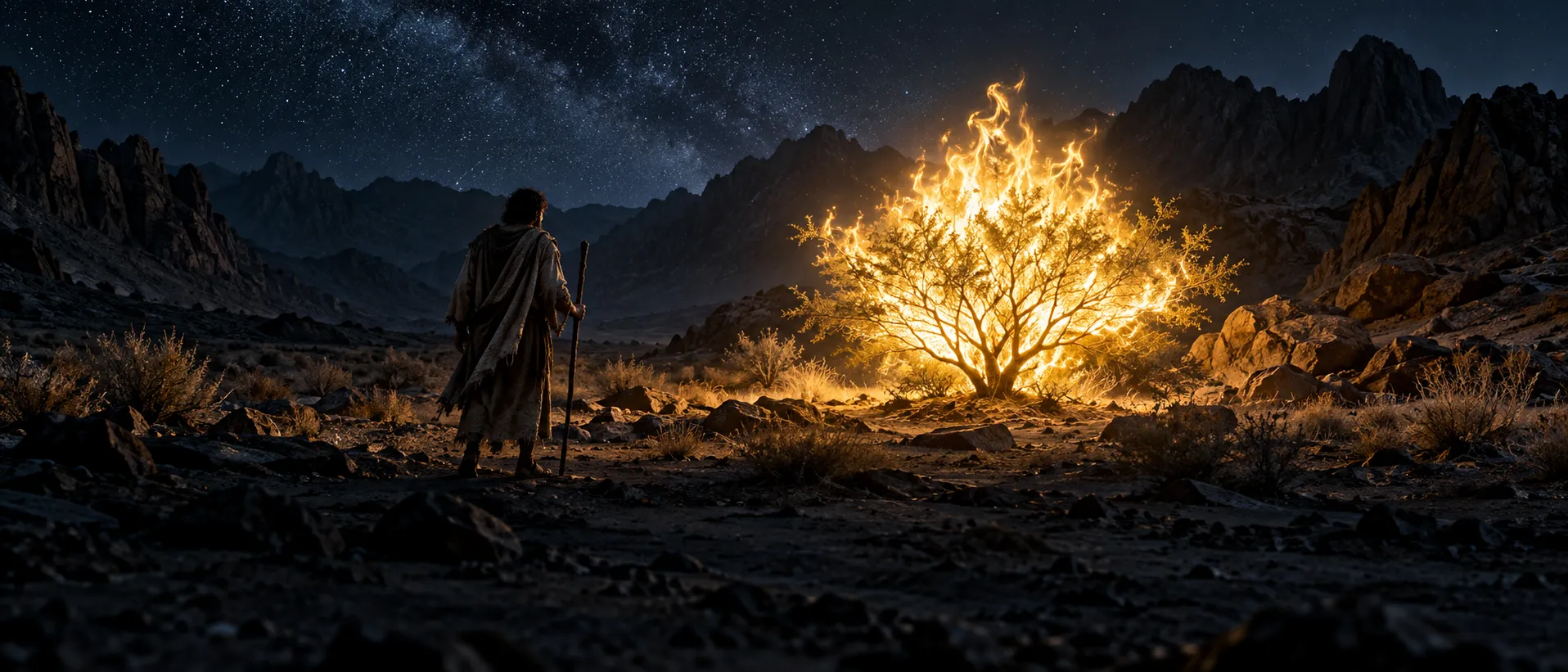
Divine Appearances
The burning bush, Mamre, Jacob at Peniel, the pillar of cloud and fire — direct manifestations of God to a human witness, structurally identical to this Archive's own "religious apparition" costume and Shining Figures motif.
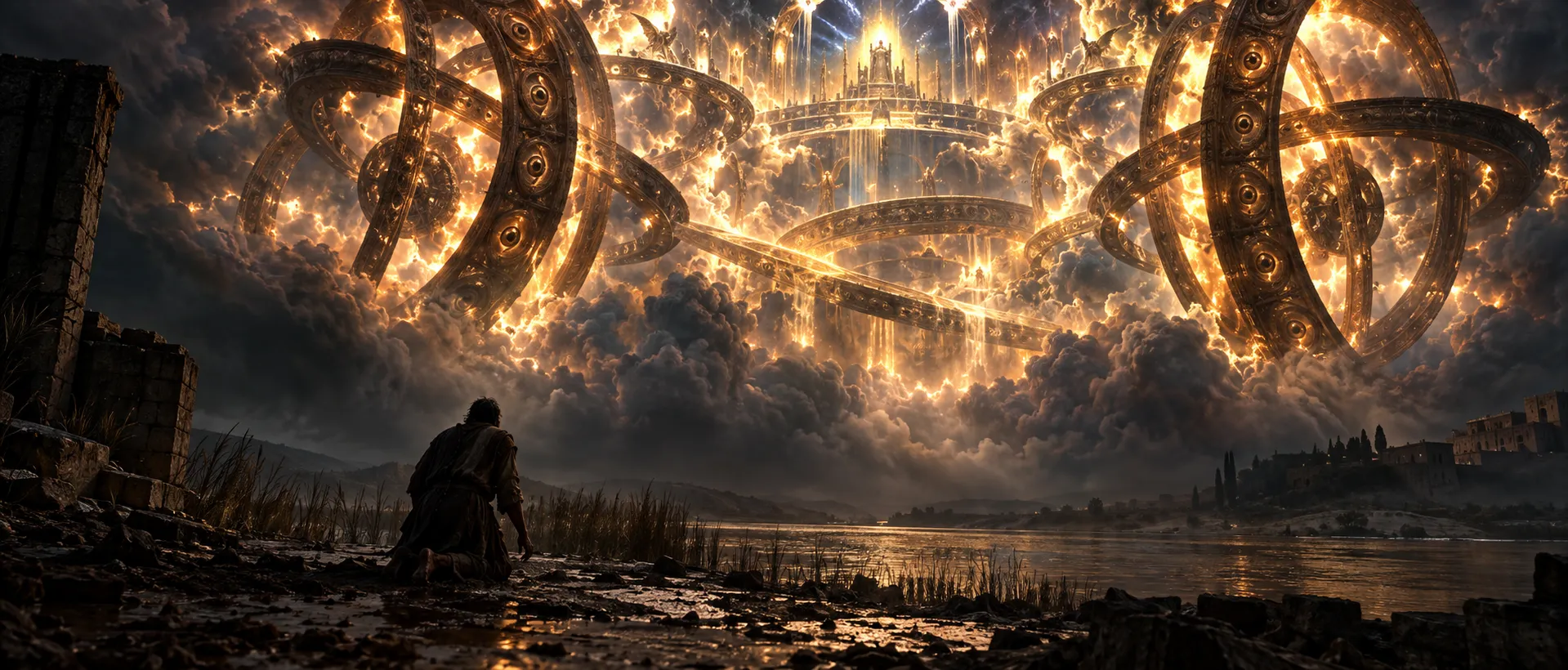
Heavenly Visions
Ezekiel's wheels, Isaiah 6, Daniel 7, Enoch's tours, Paul's third heaven — five texts, five genres, and one shared shape: the seer is shown the throne or the cosmos, and returns to report it.
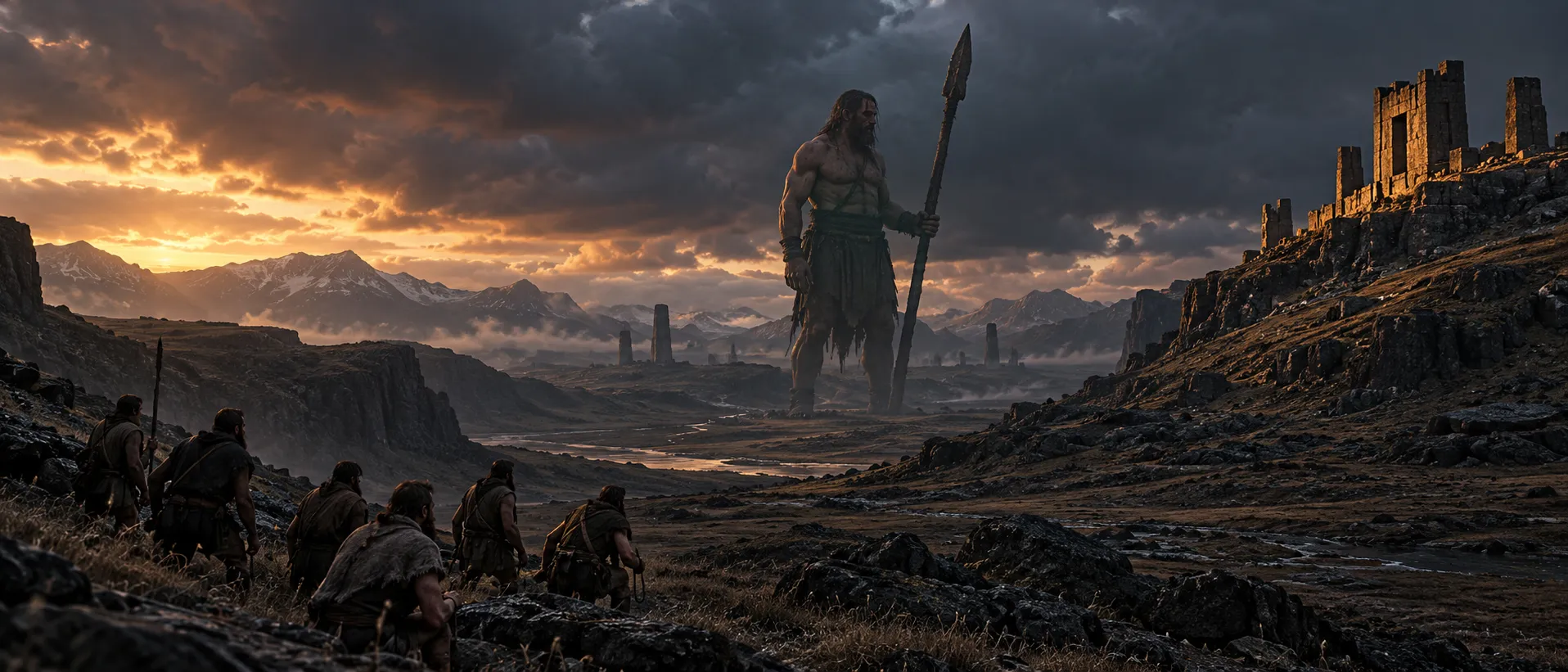
Giants & Bloodlines
Anakim, Rephaim, Og, Goliath — and the post-Flood recurrence problem: a bloodline the text calls exterminated, that keeps turning up on the far side of the one break nothing corrupted was supposed to cross.
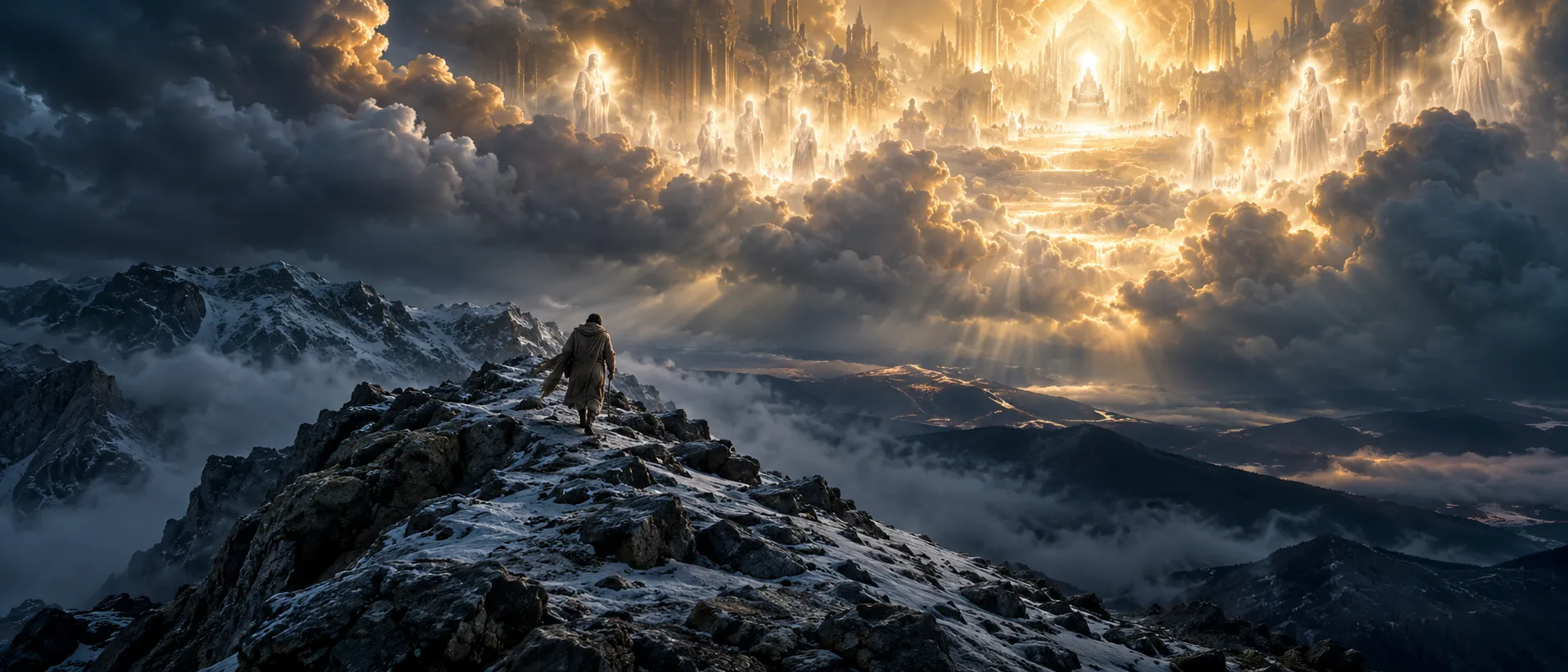
A Walk With God
A walkthrough of the Book of Enoch — the text Jude quotes as prophecy by name, and the single most influential thing this Archive covers that never made it into most Bibles at all. Five books, three centuries of composition, one oath sworn on a mountain, and a great deal Genesis never explains.

The Remembered
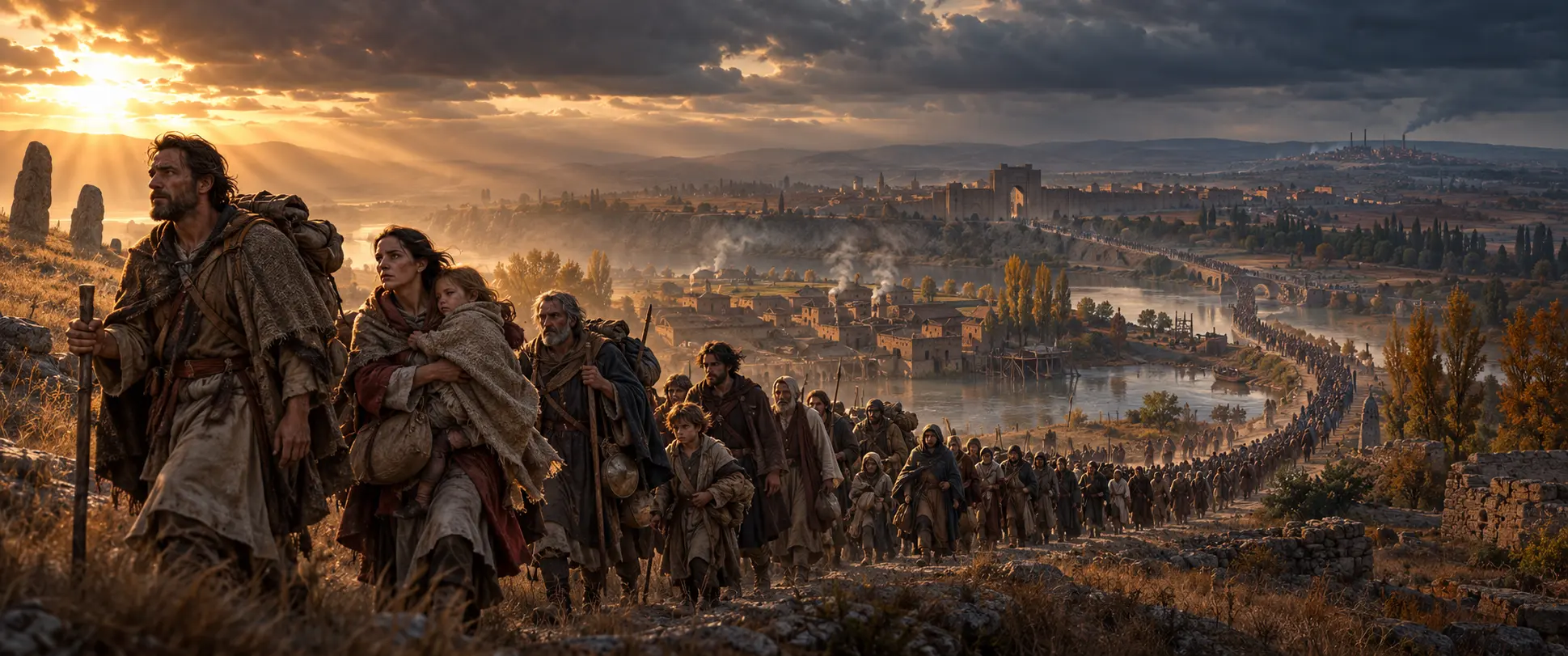
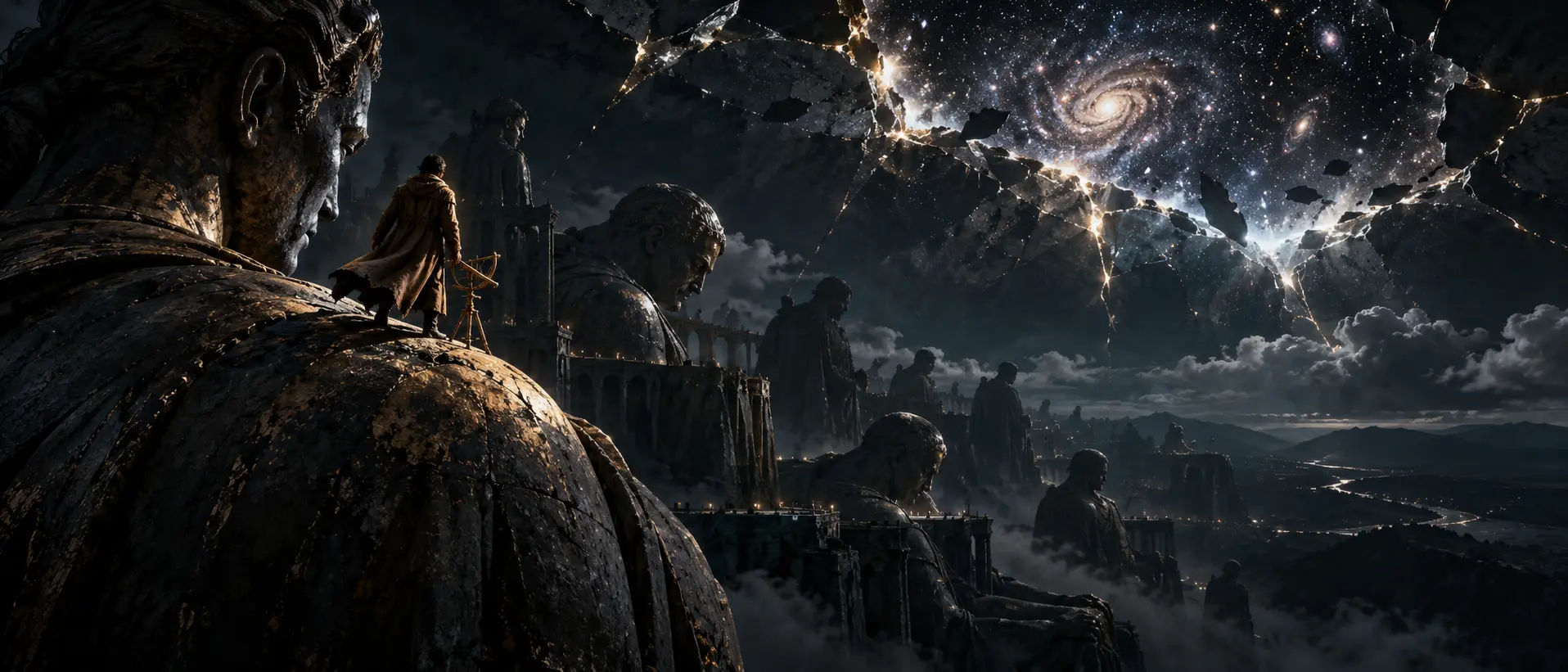
The real historical figures who reshaped how we understand the world — Copernicus, Galileo, Newton, Darwin, Curie, Einstein, Turing and their kind. Named men and women we can date and check, each set down the same way: the world as it was believed to be before them, and the shift they forced on it.
The Costume
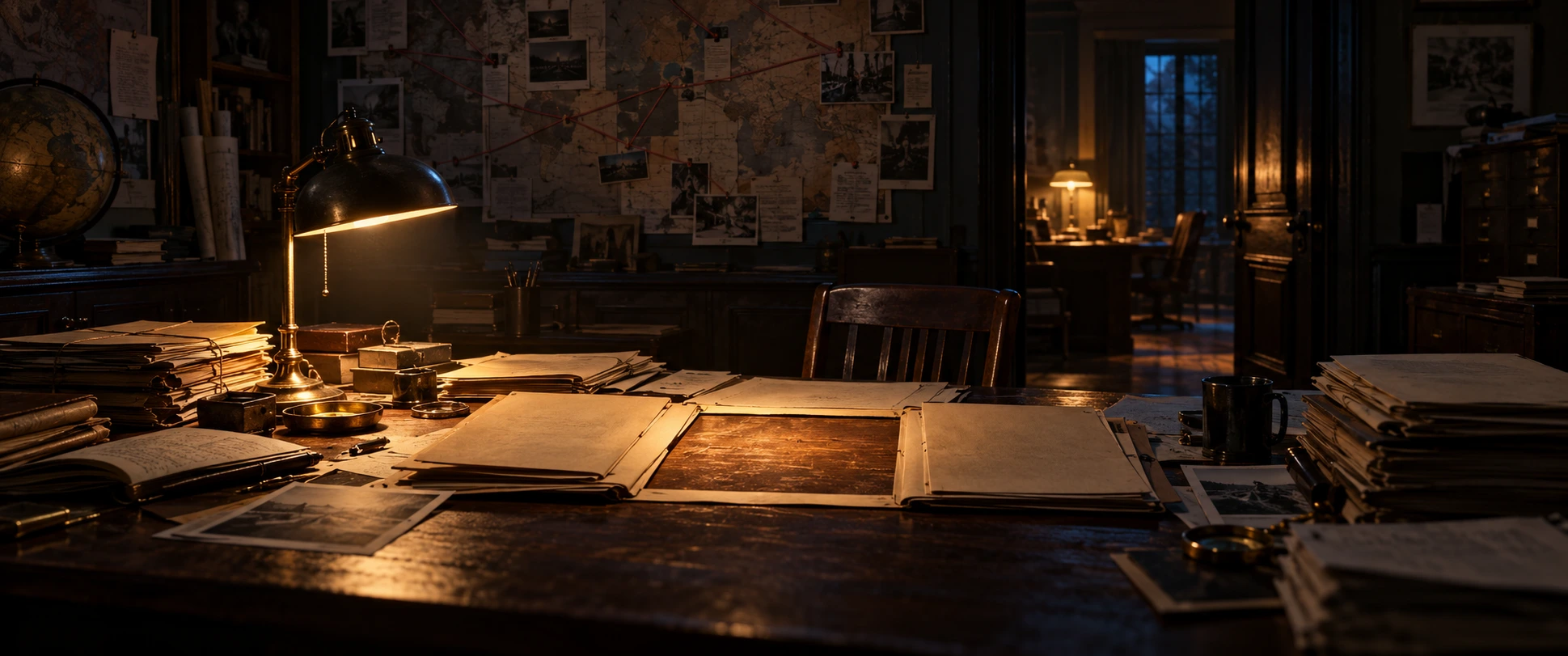
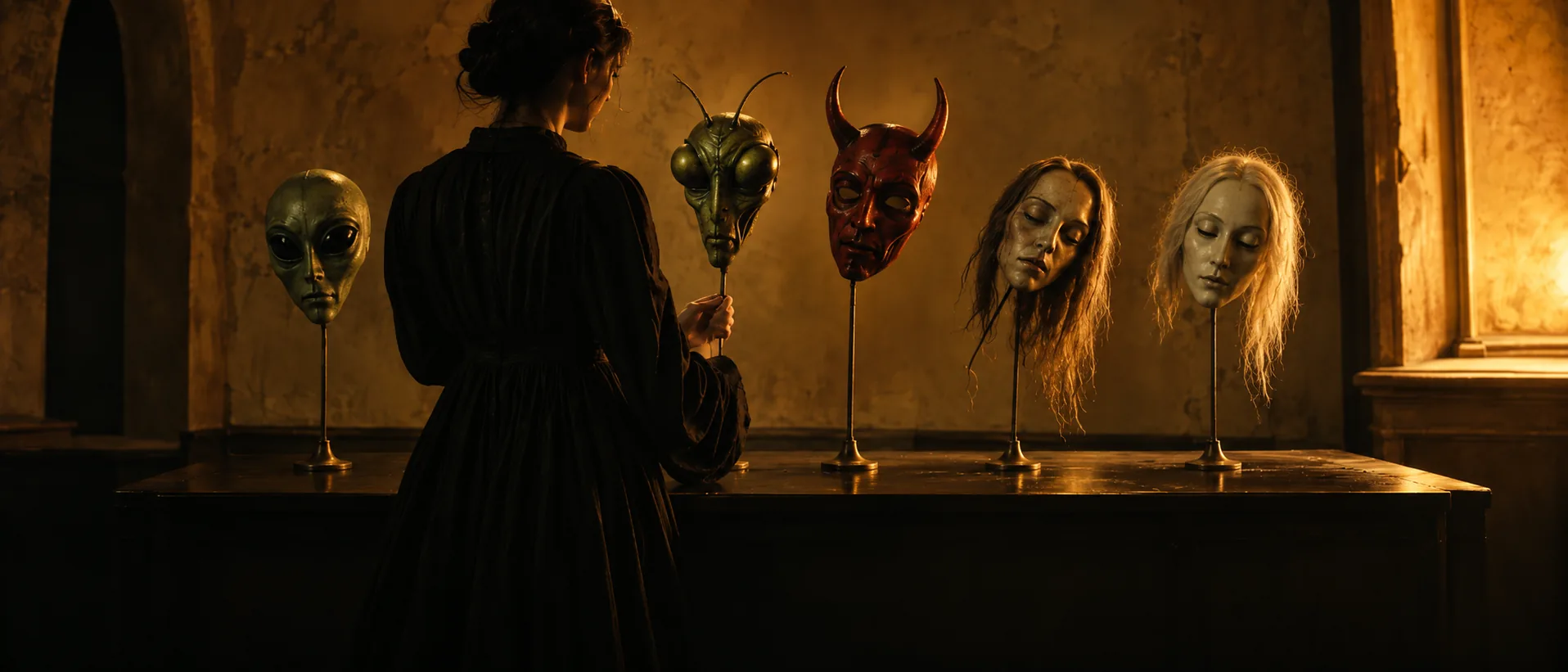
After Vallée: the experience can be real; the appearance may be a mask.
The Depictions
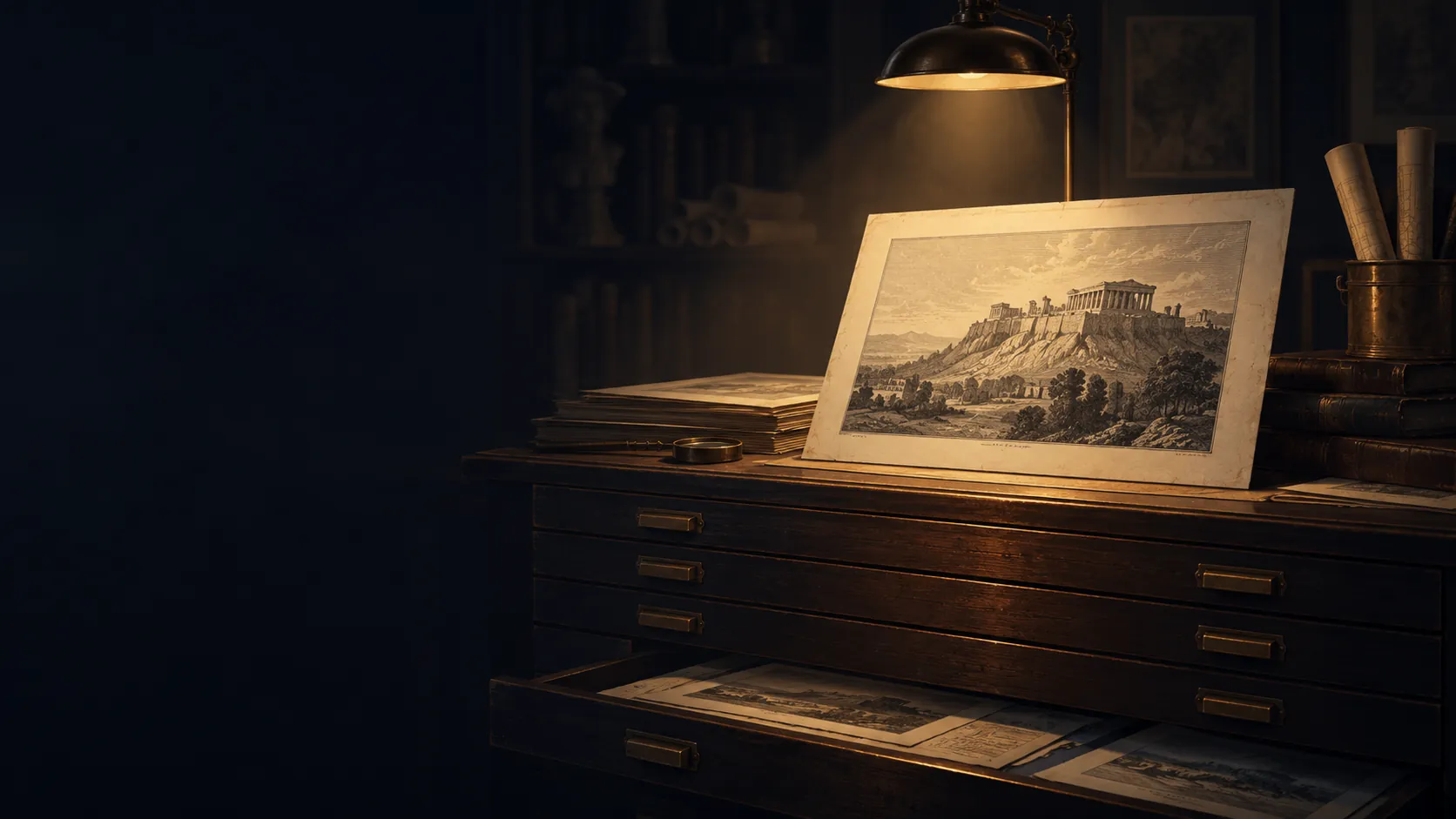
Each plate is a claim about a picture — when it was made, who made it, where it is filed. A depiction is not a proof.
Infographics
Charts drawn from the Archive’s own records at the moment you read them. Each says what it was counted from, and what a count cannot show.
The Dig
Read it downward, the way it was dug: the deeper the layer, the older the find. Each one says where it lay, who found it, what dates it — and what is still argued.
The Balance
The Stream of Time
Adams’ Synchronological Chart of Universal History, 1871–1881
In 1871 an Oregon teacher, surveyor and preacher put all of history on a single strip of paper more than twenty feet long, from the Creation to his own day. Every nation is a band of colour running through time, and everything that happened in the same year sits in the same column. This page reads his chart with you, one panel at a time.
Chart by Sebastian C. Adams · Transcription and digital edition by adamschart.org · Scans in the David Rumsey Map Collection · All credits & resources ↓
Start the journey ↓
Official USA Phenomena Archive
U.S. unresolved UAP records released at war.gov, 2026–
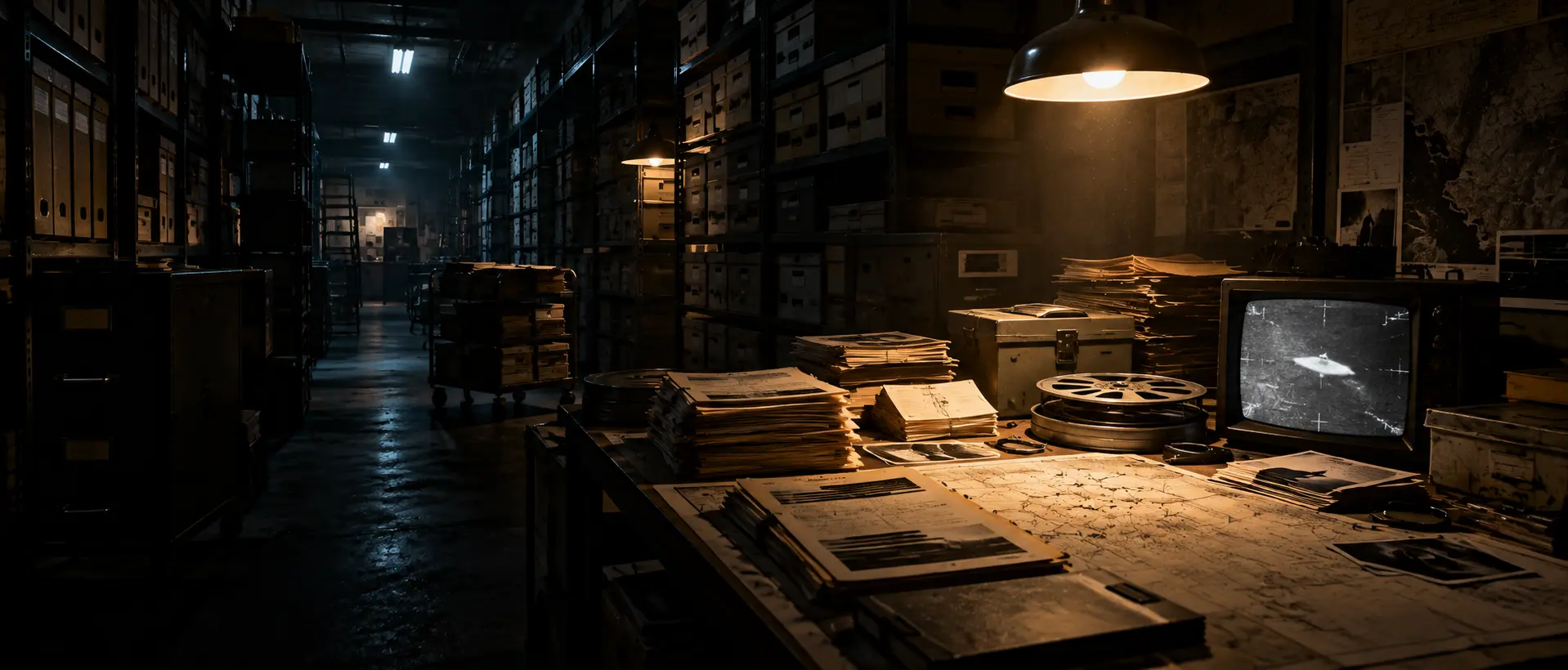
In 2026 the United States began publishing its unresolved files on unidentified anomalous phenomena — sensor footage, mission reports, cables, FBI serials, NASA air-to-ground audio — in rolling tranches at war.gov, with no clearance required to read them. This is that release, all of it, searchable: every designator, the Department's own description of each file, and a link to the document itself. The Archive has added a frame and some arithmetic and has changed not one word of the rest.
This is the paperwork. Testimony — what people say they saw — is read on The X-Files; the programmes, and the claims built on them, from MKULTRA to MJ-12, are weighed on The Secret Orders. One incident can sit on all three, and it will not read the same way twice.
The Secret Orders
The oldest suspicion there is: that the visible account is not the whole account, and that somewhere out of sight a smaller room decided it. The orders that really exist and what is projected onto them; the state programmes that were conspiracies and are now declassified paperwork; the official files on unidentified phenomena; the map of who actually knew whom — from a London magical order to a rocket laboratory in Pasadena; and a ledger of the famous claims, each graded by what the documents will carry. Some of these were true. Several have a forger's name and a confession attached. Both belong on the same page.
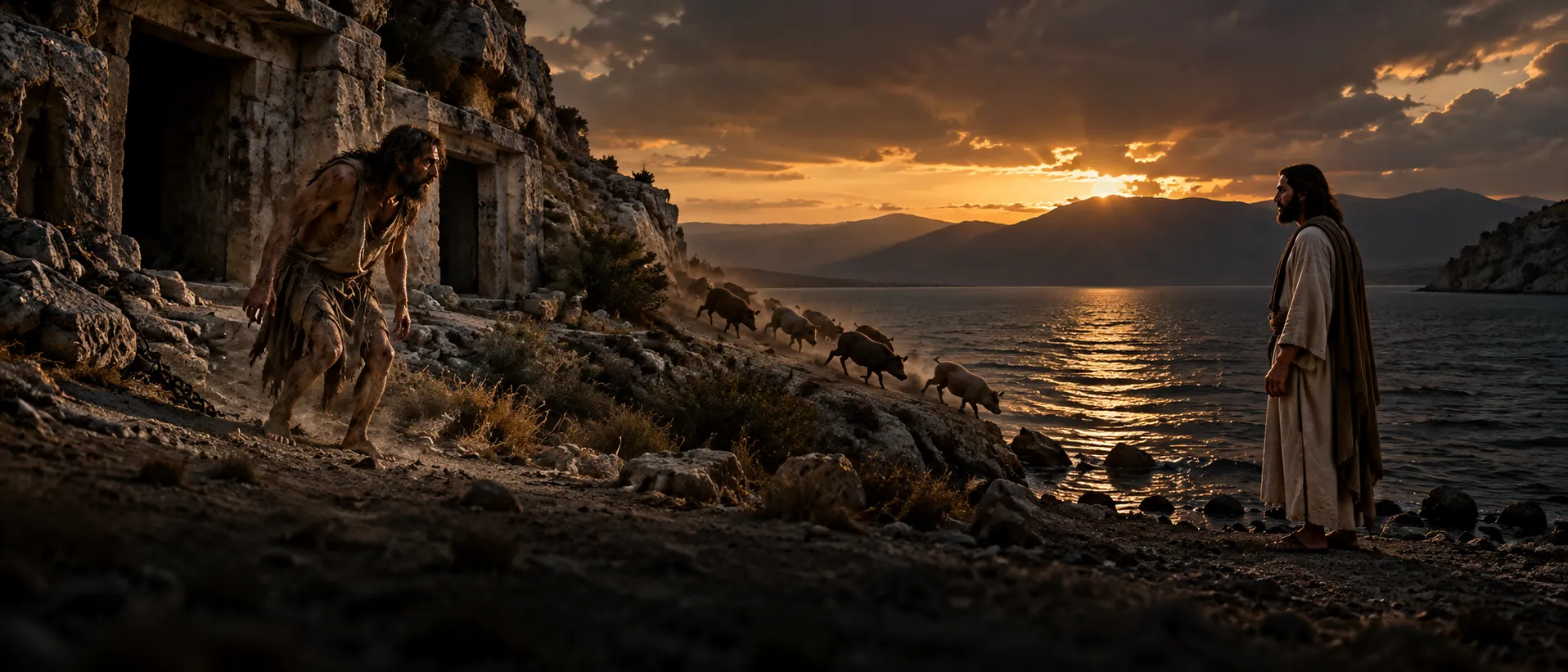
Legion
Possession and deliverance as one recurring event — a person seized by an intruding will, and a rite that casts it out. Traced from Jesus and the unclean spirits of the Gospels, down through the history of the exorcism rite, to the modern case files of Ed & Lorraine Warren — read, as ever, as structured records rather than settled fact.
The Case for God
An Evidence Index of the strongest arguments that God exists — philosophical, scientific, and historical. Ancient Archive is written from the conviction that God exists and has revealed Himself in history.
That conviction is laid open to inspection here, not asserted and left standing. Every argument below is given its best support, its most serious objections, and the Archive's response — so you can weigh the reasoning, not just the conclusion.
Beyond The Mind
The nearest unresolved item in the Archive is the fact that there is something it is like to be a reader of it. What the brain measurably does; why none of it explains the light on the inside; the dozen competing theories and the fact that none has won; the organ Descartes mistook for the seat of the soul; and the question a fortune has lately been spent trying to answer — whether any of it survives the body. The claim, the record, and the counter, in that order.
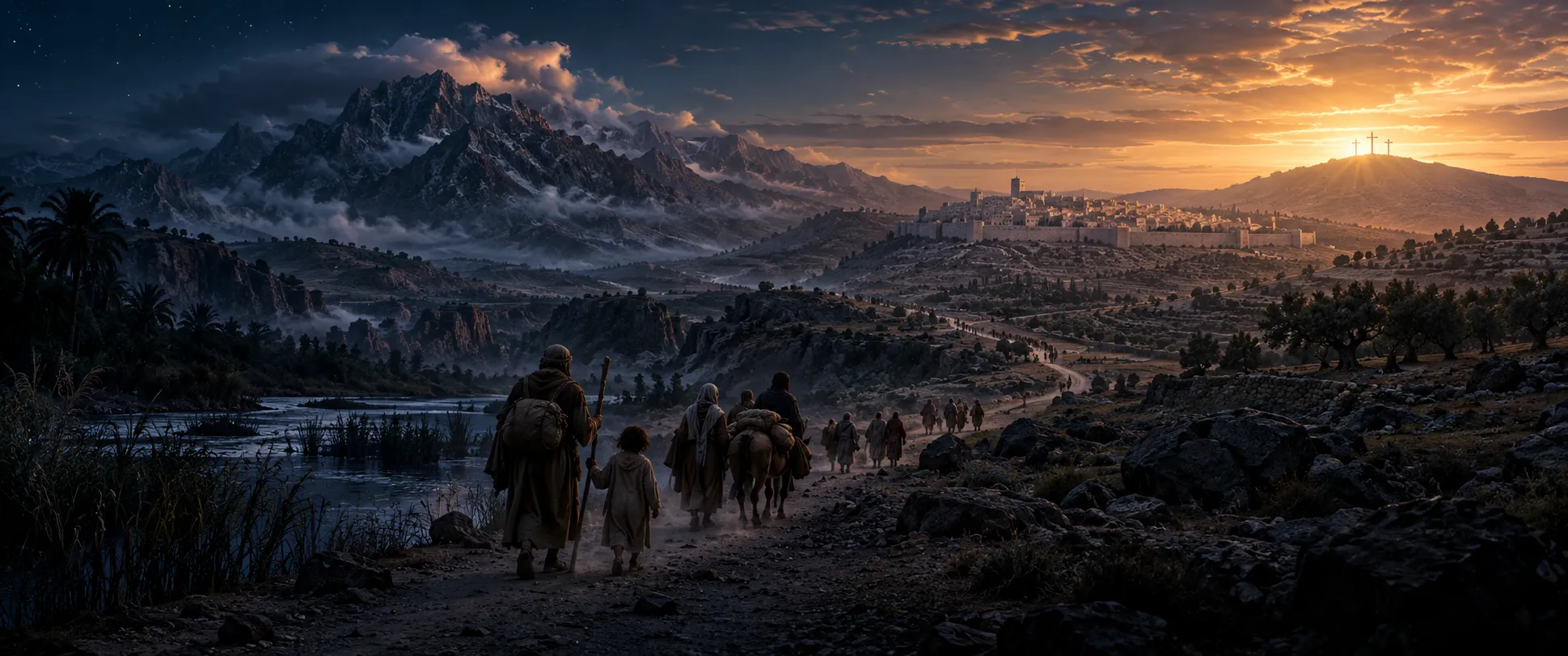
A Walk Through the Bible
The whole narrative, start to finish — sixteen eras from Creation to Revelation, scored to one continuous timeline. Click any event for the verse and the detail, and follow the cross-references into every other Biblical Record page.
The Web
Every record, every connection. Search the archive, spotlight the active thread, and jump from node to node without losing the larger pattern.
Nothing Stands Alone
Every record names the others it touches. Each arc below is one declared cross-reference, drawn between the two records that share it — the whole archive, wired. The key counts the records each collection has wired in, not the size of the collection.
Sources
Every record in this Archive lists what it's drawn from. This page collects every citation in one place, grouped by collection, so they can be checked without opening each entry individually.
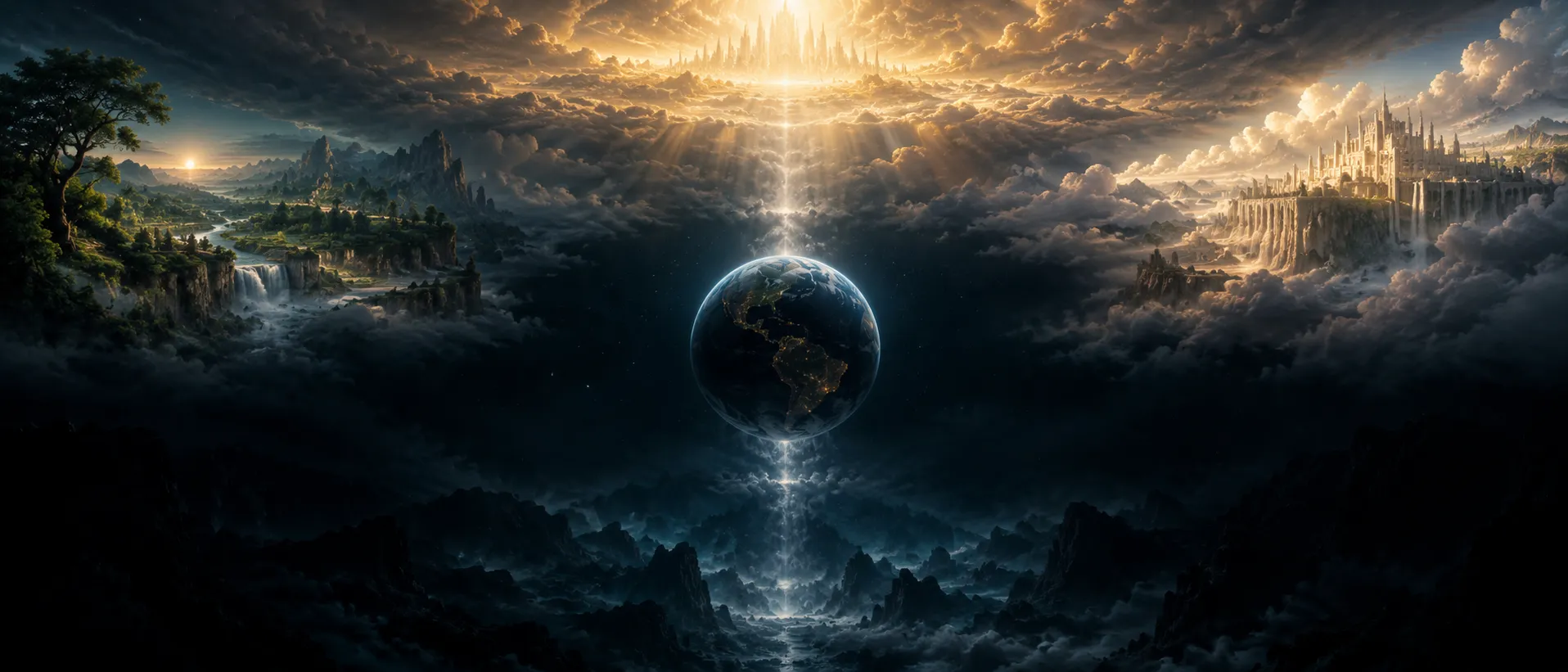
The Realms
The traditional Christian cosmos drawn as a single map — Eden and the fallen Earth, the world below, the throne above, and the New Creation that reunites them. Follow the flow from the garden to the city. Drag to orbit, scroll to zoom, and click any realm to read it.
Drag to orbit · scroll to zoom · click a realm
The Firmament
Beneath the realms lies the older map — the cosmos as Genesis 1 and the Hebrew prophets pictured it. A solid dome (raqia) is beaten across the sky, holding back the waters above; the sun, moon, and stars are set into it; and below sits a flat disc of earth, fixed on pillars over the great deep, with Sheol beneath. Drag to turn it, scroll to zoom, and click a layer to read it.
The ancient Near-Eastern model — not modern astronomy
About Ancient Archive
Ancient Archive is a personally authored research map for ancient records, biblical interpretation, disputed traditions, and unexplained claims. It is written from Christian conviction, but it tries to keep the record checkable: claim, source trail, strongest objections, and the soberest reading side by side.
Nick Olson
I built Ancient Archive to keep related material from living in separate notebooks: Scripture, ancient history, comparative mythology, lost artifacts, anomalous encounters, and the long human habit of remembering a rupture between heaven and earth.
How Claims Are Weighed
Records are not treated as equally proven. A page may preserve a claim because it is influential, old, well-attested, structurally revealing, or useful for comparison. Whenever possible, entries separate the original source, later interpretation, modern speculation, and the Archive's own reading.
What This Project Believes
The Archive reads history as a created world under God, with humanity's oldest stories carrying more memory than modern reductionism often allows. That does not mean every legend is accepted as literal fact. It means the witness is taken seriously enough to be compared, sourced, and judged.
What This Is Not
This site is not an academic institution, a church authority, or a peer-reviewed journal. It is an interpretive archive. Readers should check the sources, press on the weak points, and treat unresolved questions as unresolved.